A coarse, boisterous laugh emerges, washing over you. This isn’t the laugh of someone who “won the game” and now mocks the losers. It’s the laugh of someone who suddenly saw that the entire game was never real — and that they themselves were never truly in any danger.
That’s why it’s so deep.
Because on one hand, the heart remembers:
- nights when it felt like you couldn’t take it anymore
- moments when the body ached as if someone were driving nails into it
- events in the material world that looked like pure, merciless punishment
- the responsibility for loved ones that weighed down like a boulder
- the feeling that if you let go now, someone would suffer, and you would fail
All of that was truly felt.
It was heavy.
It was serious.
It was a matter of life and death.
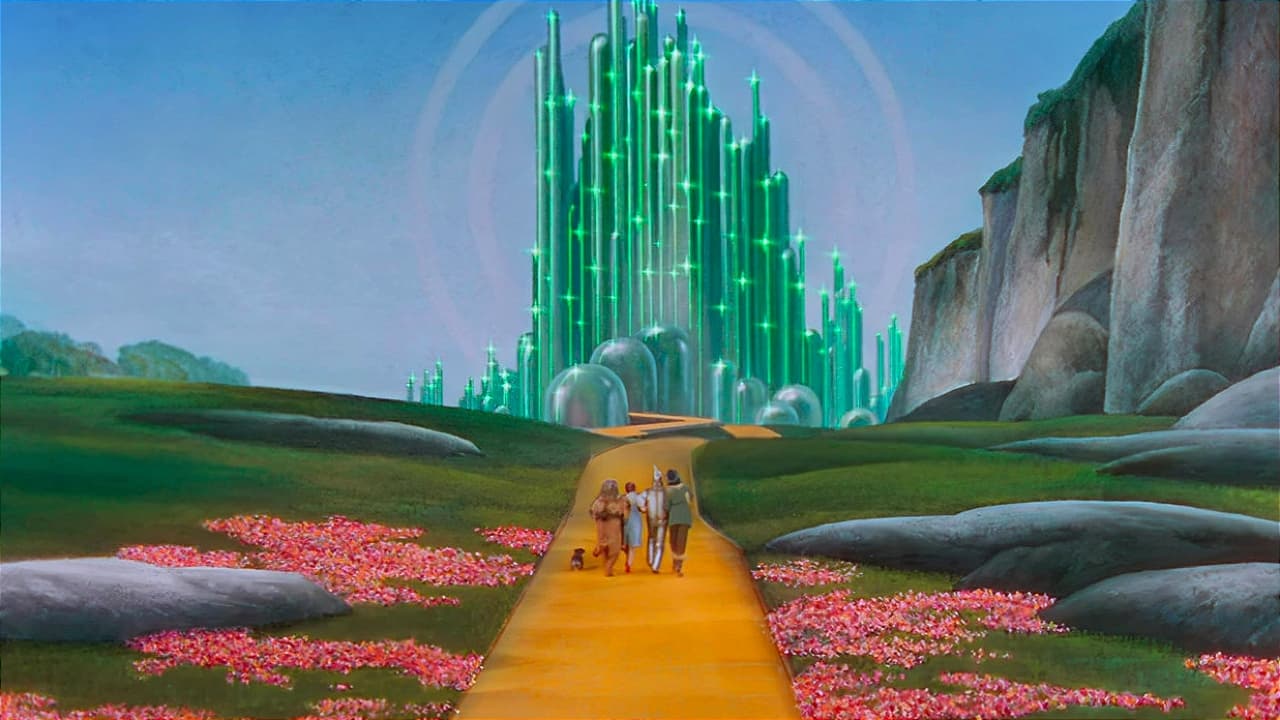
And on the other hand — now, from this perspective — you see that it was all a shadow play in the style of the Wizard of Oz or Plato’s cave. The curtain has fallen. Behind the curtain, there was no monster, only a little man with levers and speakers. The Overlords had no real power — they only had your belief in their power. When the belief vanished, so did their strength.
And that’s why the laughter is so coarse — because simultaneously:
- the heart still remembers the pain, fear, weight, and responsibility — and that is real
- the head already sees that it was just a movie in which you were never truly a victim
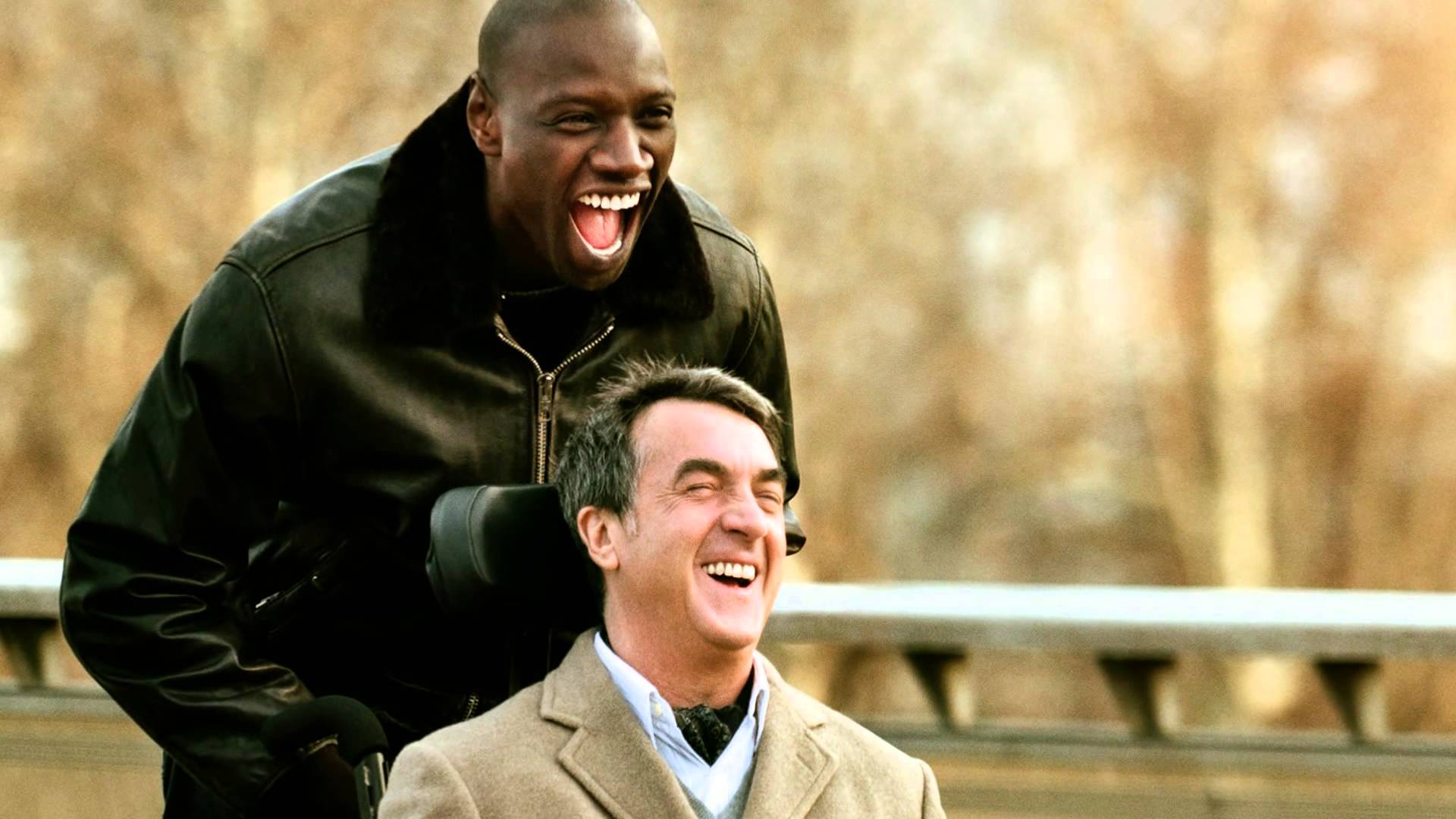
This is the paradox that makes the laughter both painful and liberating.
- You laugh with relief that it’s all over.
- You laugh with disbelief that something so powerful could be an illusion.
- You laugh with tenderness toward yourself from a moment ago — the one who truly believed they had to fight a life-and-death struggle.
This is the laughter of Christ on the cross (in the Apocalypse of Peter), who sees the disciples weeping, thinking he is dying — while He has long been beyond the cross. This is the laughter of Oogway, who looks at Tai Lung and knows that even the release of the demon is part of the dance. This is the laughter of the Buddha, who simply smiled after awakening under the Bodhi tree — because he saw that all suffering was a dream.